
The Complete Reference on Concrete Hardeners for Basements and Underground Buildings
Below ground level, construction faces a very different reality. Basements, underground parking areas, and sub-structures remain in constant contact with moisture, soil pressure, and heavy loads from the structures above. In these spaces, strength is not optional—it is essential. Concrete that is not properly hardened begins to crack, dust, and weaken far sooner than expected. Long-term durability depends on what penetrates the concrete during construction, not just what covers it later. Protection must begin from within.
The Complete Reference on Concrete Hardeners for Basements and Underground Buildings
Below ground level, construction faces a very different reality. Basements, underground parking areas, and sub-structures remain in constant contact with moisture, soil pressure, and heavy loads from the structures above. In these spaces, strength is not optional—it is essential. Concrete that is not properly hardened begins to crack, dust, and weaken far sooner than expected. Long-term durability depends on what penetrates the concrete during construction, not just what covers it later. Protection must begin from within.
Floors that remain firm under sustained pressure rarely achieve that strength by accident. They result from deliberate material choices made early in the build. In underground environments, only specific chemistries perform reliably under Indian soil, moisture, and load conditions. Some products fail within years, while others last for decades. The difference lies in how chemistry is adapted to real-world conditions. These decisions shape performance long before equipment ever enters the space.
Basements Need Unique Protection Methods
Structures built below ground support everything above them, yet they often suffer the most from dusting, seepage, and abrasion. A high-quality chemical hardener transforms porous concrete into a dense, moisture-resistant surface capable of handling long-term stress.
1. Combating Hydrostatic Pressure
Groundwater constantly presses against basement walls and slabs. Untreated concrete allows moisture to move through microscopic capillaries, leading to damp patches and fungal growth. Instead of forming a surface film, AsianBond hardeners penetrate these channels and react internally. The result is a dense crystalline structure that blocks water migration at a molecular level.
2. Eliminating Dusting
In enclosed spaces such as underground garages, dust from untreated concrete circulates continuously, affecting ventilation systems and mechanical components. When treated with an industrial-grade hardener—similar to those used in warehouses—surfaces resist abrasion from constant tire movement, permanently suppressing dust formation.
3. Increasing Load-Bearing Strength
Basement slabs carry significant structural loads. Applying a suitable hardening treatment increases surface density, allowing the concrete to remain smooth and intact without splitting, pitting, or forming craters under sustained pressure.
Why AsianBond Products Perform Better
AsianBond designs concrete hardeners specifically for Indian construction environments, accounting for climate, soil chemistry, and on-site practices. For sloped basement ramps using paver blocks, they offer hardeners that preserve edge integrity and surface color. For large indoor slabs, liquid formulations penetrate deeply to reinforce the finish. Consistency and reliability remain central to every formulation.
Concrete Hardener Varieties
Liquid chemical hardeners typically use silicate chemistry. When they react with calcium hydroxide inside concrete, they form calcium silicate hydrate—the same compound responsible for concrete’s inherent strength during curing. This reaction densifies the surface from within.
Dry-shake hardeners, applied immediately after pouring, are often used in industrial basements where rapid strengthening is required. Metallic hardeners are chosen for underground chambers exposed to repeated impact, offering exceptional resistance where softer systems fail.
Concrete Surface Hardener Price vs. Long-Term Value
Budget considerations matter, but upfront cost alone does not determine value. Untreated concrete demands frequent sealing, waterproofing, and repairs. In contrast, hardened concrete requires minimal maintenance over its lifespan.
| Feature | Untreated Concrete | AsianBond Hardened Concrete |
|---|---|---|
| Durability | Open pores remain | Pores fully sealed |
| Dusting | High | Zero |
| Water Resistance | Minimal | Enhanced |
| Maintenance | Frequent and costly | Low and simple |
Applications Beyond Basement Floors
Underground protection extends beyond walking surfaces. Walls, ramps, columns, joints, and load-transfer zones all benefit from chemical hardening. Moisture resistance, structural stability, and long-term safety depend on treating every exposed concrete element, not just floors.
Concrete Hardener for Paver Blocks
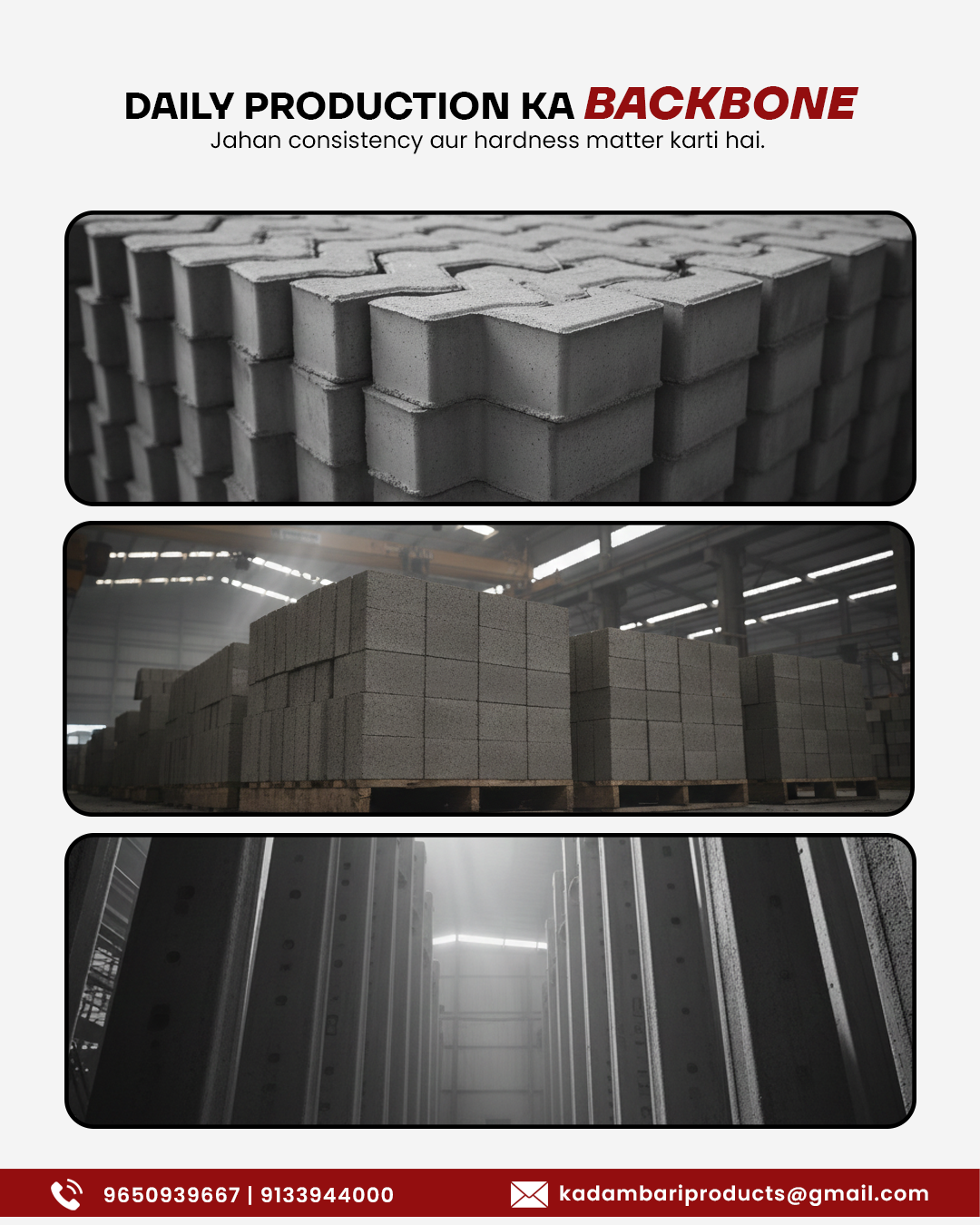
Underground ramps and decorative walkways experience concentrated stress where wheels turn. Applying a concrete hardener to paver blocks preserves edge strength, prevents color loss, and maintains structural alignment over years of use.
Industrial Ramps and Loading Bays
Ramps in underground facilities face relentless mechanical pressure. Integrating chemical hardeners during or after construction significantly improves resistance to wear, making surfaces dependable under constant movement.
Applying Chemical Hardener to Concrete
Begin with thorough surface preparation. Remove all dirt, oil, and previous coatings so the concrete remains fully exposed. Application should proceed slowly and evenly, ensuring consistent penetration.
- Clean and degrease the surface completely.
- Apply liquid hardener using a fine mist spray or soft brush.
- Keep the surface damp with hardener for at least 30 minutes.
- Rinse thoroughly after the reaction completes to avoid residue.
When uncertainty arises, consulting a local concrete hardener supplier often brings on-site expertise that prevents costly mistakes.
Bulk Buying and Transport Advantages
Large projects benefit significantly from bulk purchasing. Higher volumes reduce unit cost, ensure consistent material quality across phases, and often include technical support. AsianBond supplies uniform batches nationwide, maintaining formulation consistency from start to finish.
Benefits Overview for Underground Structures
- Resists constant abrasion from vehicles and foot traffic.
- Improves light reflectivity, reducing energy use in enclosed spaces.
- Blocks oil, chemicals, and cleaning agents from penetrating the slab.
When underground structures receive the right chemical treatment, durability improves quietly over time. Proper preparation and material choice determine success in environments where conditions remain unforgiving.