
Safe Handling and Proper Storage of Chemical Materials
Construction chemicals play a critical role in modern building projects. Products such as waterproofing compounds, sealants, bonding agents, curing accelerators, and surface hardeners enhance durability and protect structures from environmental damage. However, these materials are sensitive to storage conditions and handling practices.
Safe Handling and Proper Storage of Chemical Materials
Construction chemicals play a critical role in modern building projects. Products such as waterproofing compounds, sealants, bonding agents, curing accelerators, and surface hardeners enhance durability and protect structures from environmental damage. However, these materials are sensitive to storage conditions and handling practices.
Exposure to extreme temperatures, moisture, sunlight, or contamination can alter the chemical composition of these products before they are even applied. Improper handling may shorten shelf life, reduce effectiveness, and create safety risks for workers on site.
This guide by AsianBond explains best practices for storing and handling construction chemicals safely to ensure consistent product performance and workplace safety.
Why Safe Handling of Construction Chemicals Matters
Construction chemicals interact directly with materials such as concrete, brick, steel, and stone. Their chemical reactions improve structural strength, water resistance, and surface durability.
However, exposure to improper environmental conditions can compromise their performance. Excess heat, freezing temperatures, moisture, and contamination may alter chemical stability and reduce effectiveness.
Improper handling can lead to:
- Reduced product effectiveness
- Chemical degradation
- Shortened shelf life
- Application issues during construction
- Safety hazards for workers
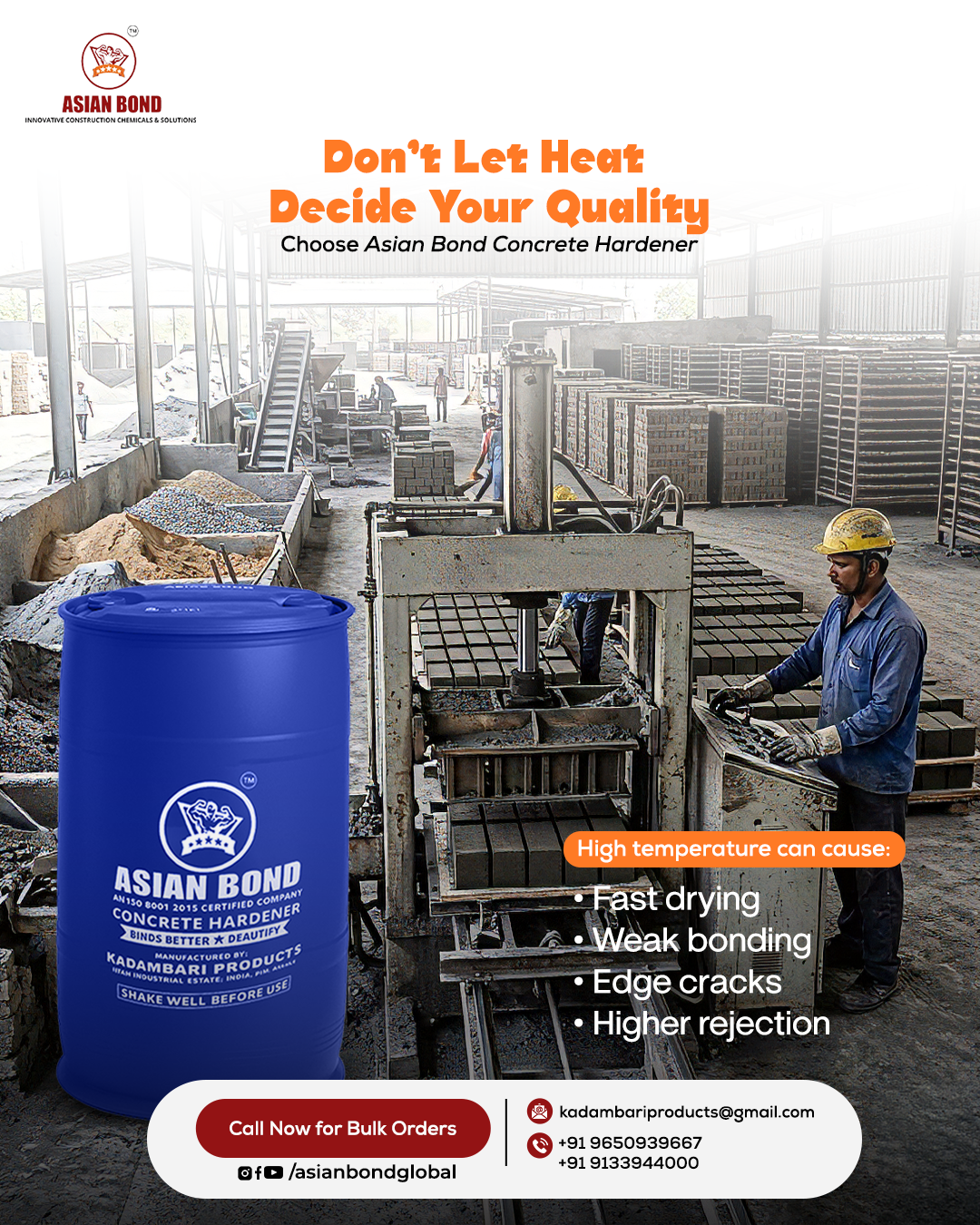
For example, storing a concrete hardener in excessively high temperatures for extended periods may affect its chemical balance and reduce its ability to strengthen concrete surfaces effectively.
Understanding Shelf Life of Construction Chemicals
Construction chemicals have defined shelf lives that depend on their composition and storage conditions. While some products may last several months, others can remain stable for up to two years when stored correctly.
Shelf life is influenced by several factors:
- Exposure to moisture
- High or low temperatures
- Direct sunlight
- Air contamination after opening
Always check manufacturing and expiry dates before using construction chemicals. Using expired materials may lead to poor adhesion, weak bonding, or inconsistent application results.
Maintain Stable Temperature and Humidity
One of the most important aspects of storing construction chemicals is maintaining stable environmental conditions. Sudden changes in temperature or humidity can alter chemical properties and reduce product effectiveness.
Recommended storage conditions include:
- Maintain temperature between 5°C and 30°C whenever possible
- Keep materials away from direct heat sources
- Avoid exposure to rain or excessive humidity
- Ensure adequate ventilation in storage areas
Stable storage environments help maintain the chemical integrity of products such as sealants, adhesives, and concrete hardeners until they are ready for use.
Seal Containers Properly
Once opened, construction chemical containers can easily be contaminated by air, dust, or moisture. Leaving containers partially open may trigger unwanted chemical reactions.
To prevent contamination:
- Always close container lids tightly after use
- Avoid leaving containers open for extended periods
- Use clean equipment when transferring materials
- Never return unused material to the original container
Proper sealing helps maintain product stability and prevents premature chemical changes.
Follow Manufacturer Guidelines
Different construction chemicals require different handling and storage conditions. Manufacturers provide detailed instructions to ensure correct usage.
These instructions are typically found on:
- Product labels
- Technical data sheets
- Safety data sheets
Following these guidelines ensures that construction chemicals perform as intended during application and curing.
Store Chemicals Above Ground Level
Construction chemicals should never be stored directly on the floor. Floor-level storage increases the risk of moisture exposure and container damage.
Recommended practices include:
- Storing containers on pallets or shelves
- Keeping materials elevated from damp surfaces
- Avoiding unsafe stacking of heavy containers
Elevated storage protects containers from environmental damage and accidental contamination.
Maintain Proper Labeling
Clear labeling ensures that workers can quickly identify materials and follow correct handling procedures. Mislabeling can lead to application errors and safety hazards.
Each container should display:
- Product name
- Manufacturing date
- Expiry date
- Handling instructions
- Safety warnings
Proper labeling reduces confusion and improves safety when multiple chemicals are stored in the same location.
Use FIFO for Inventory Management
FIFO (First In, First Out) is an inventory method commonly used for managing chemical materials. This approach ensures that older materials are used before newer stock.
Benefits of FIFO include:
- Preventing materials from expiring before use
- Reducing product wastage
- Maintaining consistent product performance
Organized storage and regular stock checks help workers identify older materials before they reach expiration.
Worker Safety During Chemical Handling
Construction chemicals must always be handled with appropriate safety precautions. Some formulations may contain reactive compounds that require protective measures.
Basic safety practices include:
- Wearing protective gloves and goggles
- Using masks when handling powders or strong chemicals
- Avoiding direct skin contact
- Washing hands after handling materials
Proper training ensures workers understand how to handle materials safely and prevents accidents on site.
Prevent Cross-Contamination
Mixing incompatible chemicals accidentally can reduce performance or create safety hazards.
To avoid contamination:
- Use separate tools for different chemicals
- Store incompatible materials separately
- Keep storage areas clean and organized
Proper organization ensures chemicals maintain their intended properties before use.
Safe Transportation of Construction Chemicals
Chemical containers can be damaged during transport if they are not properly secured. Temperature fluctuations and exposure to rain or dust during transport may also affect product quality.
During transportation:
- Secure containers properly
- Avoid exposure to extreme heat
- Prevent containers from tipping or leaking
- Protect materials from rain and dust
Careful transportation ensures chemicals reach the job site in stable condition.
Final Thoughts
Improper storage and careless handling can damage even high-quality construction chemicals. Maintaining stable storage conditions, sealing containers correctly, managing inventory carefully, and following safety procedures ensures that materials perform as expected.
By adopting proper storage and handling practices, builders can extend product shelf life, improve construction quality, and maintain safe working environments.
Trusted brands such as AsianBond focus on producing reliable construction chemical solutions designed to perform consistently under real-world conditions, helping contractors achieve stronger and more durable structures.