
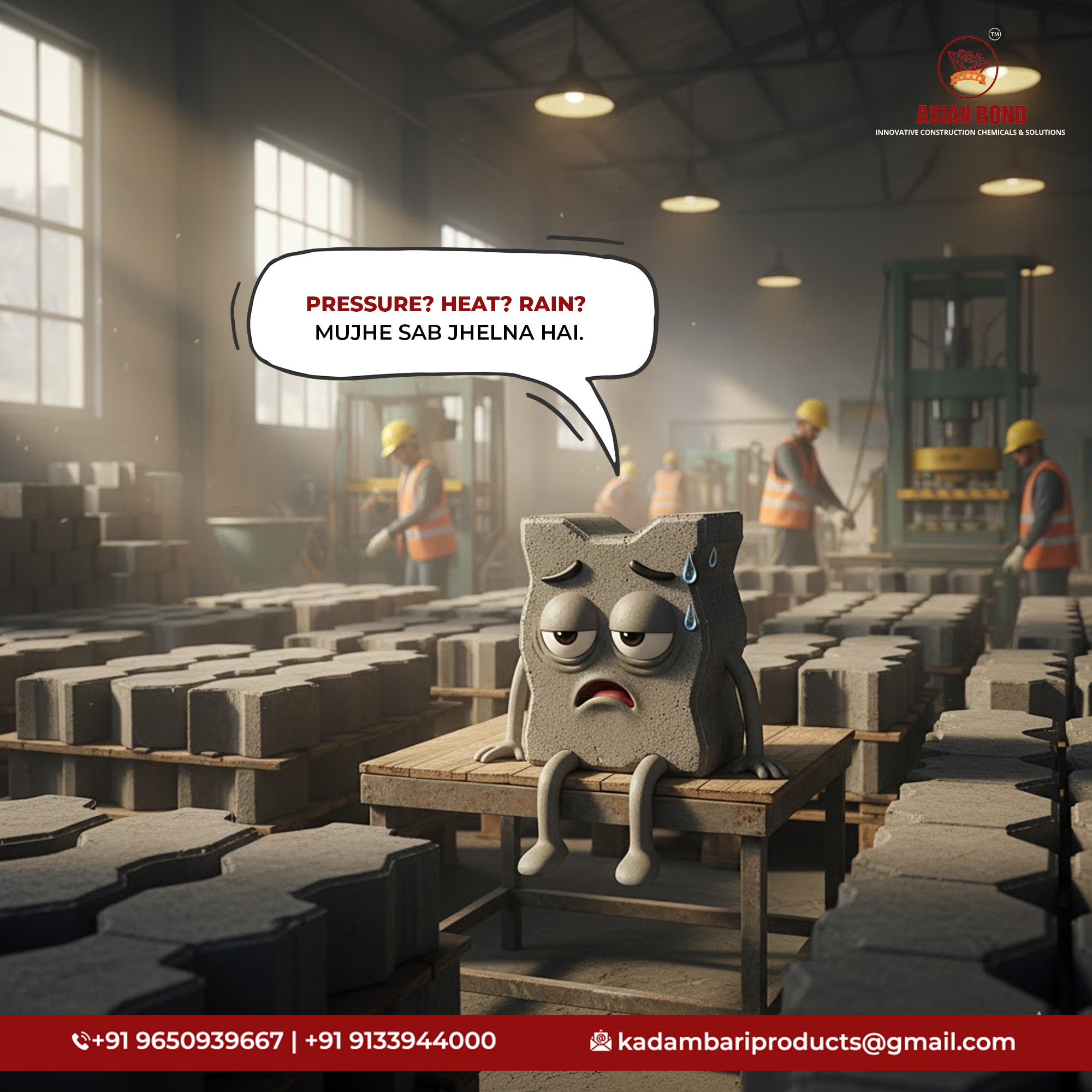
How Concrete Hardener Improves Abrasion Resistance
Modern construction demands surfaces that withstand constant use. Walkways, factory floors, warehouses, and parking zones endure daily scraping, rolling loads, and repeated impact. Over time, untreated concrete gradually weakens. Surface particles loosen, micro-cracks develop, and abrasion slowly erodes the top layer.
How Concrete Hardener Improves Abrasion Resistance
Concrete Hardener Boosts Wear Resistance
Modern construction demands surfaces that withstand constant use. Walkways, factory floors, warehouses, and parking zones endure daily scraping, rolling loads, and repeated impact. Over time, untreated concrete gradually weakens. Surface particles loosen, micro-cracks develop, and abrasion slowly erodes the top layer.
Concrete hardener addresses this problem at its source. Instead of forming a temporary coating, it penetrates into the slab, tightening internal structure and increasing density. The result is a tougher surface that resists scuffing, friction, and long-term mechanical wear.
Understanding Abrasion Resistance in Concrete
Abrasion resistance refers to a surface’s ability to withstand friction, rubbing, and mechanical contact without breaking down. In high-use environments, such as factories and logistics centers, floors experience continuous stress from equipment movement and foot traffic.
When concrete remains untreated, the top layer deteriorates under pressure. Powdering, cracking, and surface scaling follow. Applying a concrete hardener strengthens this vulnerable zone, forming a denser and more resilient structure within the slab.
In industrial facilities, floor hardener chemicals significantly reduce surface breakdown. Instead of gradual erosion, treated concrete maintains structural integrity for extended periods.
How Concrete Hardener Works
Concrete hardener functions through a chemical reaction. When applied, it reacts with free lime inside the concrete matrix. This reaction forms additional crystalline compounds that fill micro-pores and increase density.
The strengthened surface:
- Reduces dusting
- Improves abrasion resistance
- Enhances surface density
- Increases resistance to impact and wear
Asianbond concrete hardener demonstrates consistent performance across industrial, commercial, and residential applications. Its deep penetration strengthens worn surfaces while maintaining long-term durability.
Abrasion Resistance Benefits in High-Stress Areas
1. Industrial Floors
Heavy machinery, forklifts, and rolling equipment subject factory floors to intense mechanical stress. A chemical hardener applied during or after curing significantly improves wear resistance. Treated surfaces withstand dragging loads and repetitive impact without premature degradation.
2. Paver Blocks
Paver blocks exposed to traffic and environmental shifts benefit from concrete hardener treatment. The material penetrates the surface, reducing friction damage and helping blocks maintain integrity under both pedestrian and vehicular loads.
3. Warehouses and Parking Areas
Continuous vehicle movement can rapidly erode untreated concrete. A high-quality hardener strengthens the top layer, reducing wear and keeping floors cleaner by minimizing dust generation.
4. Bricks and Masonry
Liquid concrete hardener applied to masonry improves surface durability and reduces moisture penetration. Treated brickwork resists chipping and surface erosion more effectively.
Key Durability Improvements
- Increased surface strength
- Higher abrasion resistance
- Reduced dust formation
- Improved impact tolerance
- Extended service life
Contractors often select products from reputable Indian concrete admixture manufacturers to ensure consistent quality and long-term performance.
Why Asianbond Concrete Hardener Stands Out
Asianbond concrete hardener is widely trusted across industrial and commercial projects in India. Its formulations are engineered for demanding environments, providing strong abrasion resistance in factories, warehouses, and high-traffic commercial spaces.
The product range supports:
- Industrial factory floors
- Paver block installations
- Brick and masonry strengthening
- Commercial warehouse flooring
Reliable supply and consistent formulation make Asianbond a dependable choice for contractors seeking uniform results across large-scale projects.
Industrial Floor Performance
Industrial environments demand surfaces capable of handling heavy equipment, oil exposure, and sustained traffic. Chemical hardeners improve load-bearing resistance and reduce surface degradation caused by friction.
Many facilities procure concrete hardener in bulk to ensure consistent treatment across expansive floor areas while optimizing cost efficiency.
Cost Considerations
Concrete surface hardener price varies depending on formulation, quality, and project scale. While lower-cost options exist, long-term performance should guide selection. High-quality hardeners reduce future repair and maintenance expenses.
Contractors frequently source products from established concrete admixture manufacturers in India to minimize variability and ensure consistent wear resistance.
Application Process
- Clean the surface thoroughly
- Apply the chemical hardener evenly
- Allow adequate penetration time
- Permit proper drying and curing
Proper application ensures maximum abrasion resistance and long-term performance.
Long-Term Value
Treated concrete floors maintain structural integrity for years under heavy use. Reduced resurfacing frequency lowers lifecycle costs. Industrial floors, in particular, benefit from the enhanced wear resistance provided by high-quality floor hardener chemicals.
Conclusion
Abrasion gradually weakens untreated concrete surfaces. Applying a concrete hardener significantly increases wear resistance by strengthening the slab internally. Industrial floors, paver blocks, warehouses, and brick structures all benefit from this added durability.
Asianbond offers reliable, high-performance concrete hardeners engineered for demanding environments. Choosing the right hardener ensures longer-lasting surfaces, lower maintenance requirements, and consistent structural performance across commercial and industrial projects.