
Budgeting Construction Chemicals Without Sacrificing Quality
Modern construction relies heavily on specialized chemical solutions to improve durability, strength, and long-term structural performance. Waterproofing compounds, sealants, curing agents, and surface hardeners protect buildings from environmental exposure, mechanical stress, and gradual material degradation.
Budgeting Construction Chemicals Without Sacrificing Quality
Modern construction relies heavily on specialized chemical solutions to improve durability, strength, and long-term structural performance. Waterproofing compounds, sealants, curing agents, and surface hardeners protect buildings from environmental exposure, mechanical stress, and gradual material degradation.
However, contractors and project managers often face a recurring challenge — how to budget for construction chemicals while maintaining high quality standards. Reducing costs by selecting low-grade materials may appear economical initially, but it frequently leads to structural issues, repair costs, and project delays. Effective budgeting is not about spending less; it is about spending wisely.
This practical guide from AsianBond explains how construction teams can balance cost control with performance when selecting construction chemicals.
Why Construction Chemicals Matter
Construction chemicals enhance the performance of concrete, masonry, and structural materials. When applied correctly, they help protect structures against moisture, abrasion, chemical exposure, and mechanical stress.
Key benefits include:
- Extended lifespan of concrete structures
- Improved resistance to water and chemicals
- Enhanced structural strength and stability
- Reduced long-term maintenance requirements
- Improved finishing quality and construction efficiency
Although these chemicals represent only a small percentage of total construction cost, they significantly influence the long-term durability of buildings and infrastructure.
The Hidden Cost of Cheap Materials
Selecting the lowest-priced construction chemicals can lead to long-term structural issues. Poor-quality products often fail under real-world conditions, causing premature deterioration and costly repairs.
Low-grade materials may result in:
- Weak concrete surfaces
- Rapid abrasion and dust formation
- Water leakage and structural deterioration
- Higher maintenance and repair costs
- Reduced safety and durability
For example, a warehouse floor treated with a low-quality hardener may begin deteriorating within months, creating dust and surface damage that require expensive restoration.
Plan Chemical Budgets During Project Design
Effective budgeting begins during the planning stage rather than during procurement. Engineers and contractors should evaluate construction requirements before selecting materials.
Important factors to consider include:
- Structural load requirements
- Environmental exposure such as moisture or chemicals
- Traffic levels on floors and surfaces
- Expected service life of the structure
Early planning allows accurate estimation of materials and prevents rushed purchases that often increase costs.
Focus on Performance Rather Than Price
When comparing construction chemicals, the lowest initial cost should not be the deciding factor. Performance, durability, and compatibility with the construction environment must be prioritized.
Key evaluation criteria include:
- Durability and strength improvement
- Resistance to water and chemical exposure
- Compatibility with concrete mixes
- Compliance with industry standards
- Manufacturer reliability and technical support
High-performance products may involve a slightly higher upfront investment but often deliver substantial savings by reducing repairs and maintenance.
Evaluate Lifecycle Cost Instead of Initial Price
Smart budgeting considers total lifecycle cost rather than just the purchase price. Lifecycle cost includes:
- Initial material cost
- Application cost
- Maintenance requirements
- Repair expenses
- Replacement frequency
High-quality materials generally reduce maintenance requirements and extend the service life of structures, making them more economical over time.
Work With Reliable Manufacturers
Choosing a trusted manufacturer ensures product consistency and technical reliability. Established manufacturers invest in research, testing, and strict quality control procedures.
Reliable manufacturers typically provide:
- Certified product testing
- Quality assurance processes
- Technical guidance for correct application
- Documentation and performance data
Partnering with experienced suppliers helps contractors avoid costly mistakes and ensures materials perform as expected on site.
Purchase the Right Quantity
Accurate quantity estimation prevents unnecessary spending and project delays. Over-purchasing leads to wasted materials, while underestimating requirements can halt construction progress.
To optimize purchasing:
- Calculate material requirements carefully
- Follow manufacturer coverage guidelines
- Account for surface conditions and potential waste
- Schedule deliveries according to project phases
Proper planning ensures materials arrive when needed without exceeding budget limits.
Train Workers for Proper Application
Even high-quality chemicals may fail if applied incorrectly. Training workers on proper usage ensures materials perform as intended.
Common application mistakes include:
- Applying chemicals on unprepared surfaces
- Incorrect mixing ratios
- Insufficient curing time
- Application during unsuitable weather conditions
Proper training reduces waste and improves overall construction quality.
Use Multi-Functional Construction Chemicals
Some modern construction chemicals perform multiple functions, reducing the need for additional materials. Choosing such products can simplify construction processes and lower procurement costs.
Examples include:
- Waterproofing compounds that improve bonding strength
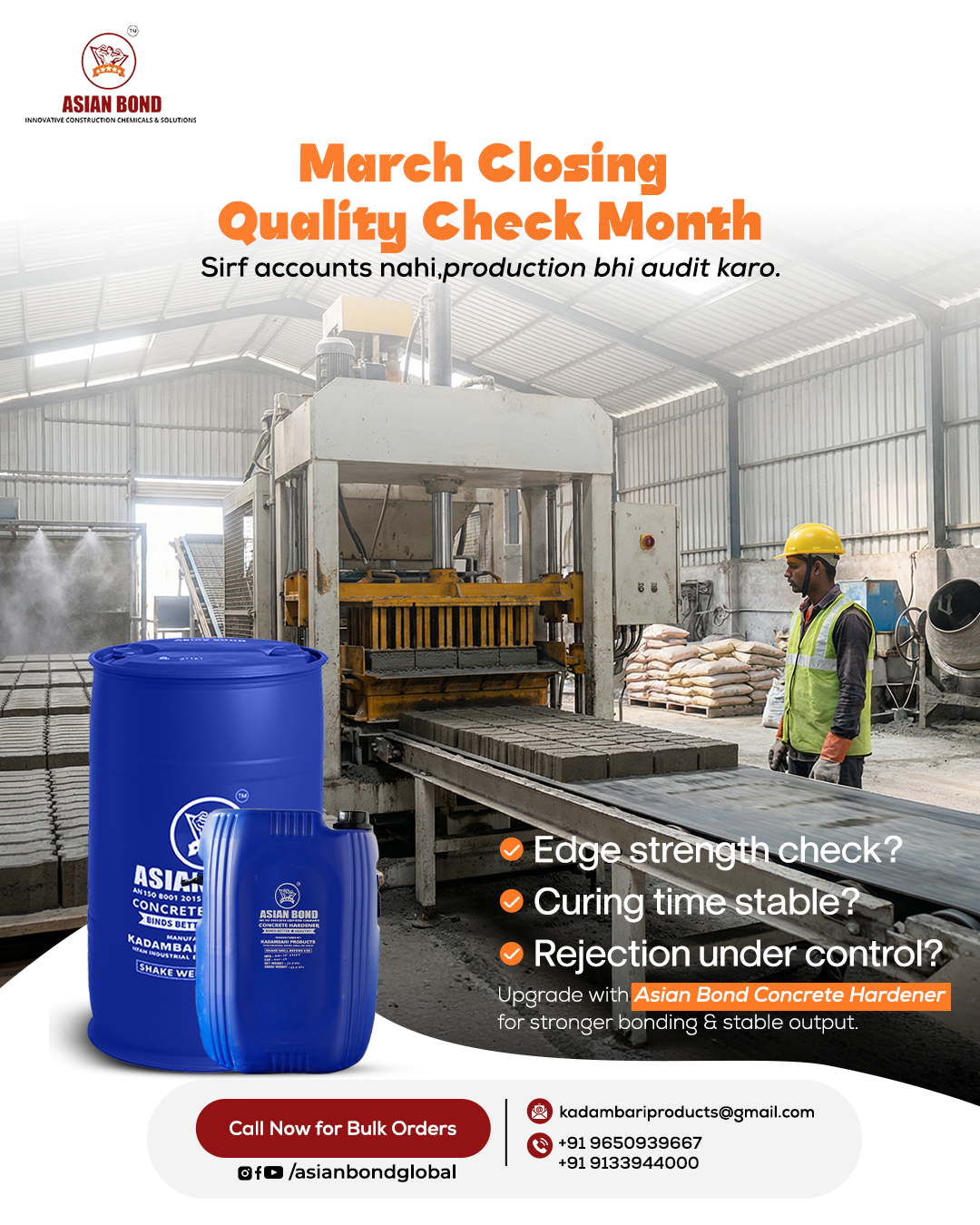
- Concrete hardeners that reduce surface dust
- Sealants that provide both chemical resistance and surface protection
Prevent Damage Before It Occurs
Preventive solutions are far more cost-effective than repairing structural damage later. Using the right construction chemicals during construction helps prevent:
- Water seepage
- Surface deterioration
- Structural corrosion
- Concrete cracking
Preventive protection ensures buildings remain structurally stable while minimizing long-term repair costs.
Choose Products That Meet Industry Standards
Construction chemicals should comply with recognized industry standards to ensure performance and safety. Certified products typically demonstrate compliance with requirements related to:
- Material strength and durability
- Chemical resistance
- Environmental safety
- Compatibility with construction materials
Using certified products increases confidence in the final structure and reduces project risks.
Why Builders Choose AsianBond
AsianBond develops construction chemical solutions designed for modern infrastructure demands. With a focus on performance, reliability, and cost efficiency, AsianBond products support projects across residential, commercial, and industrial sectors.
AsianBond solutions are widely used for:
- Industrial flooring systems
- Concrete strengthening
- Waterproofing applications
- Surface repair and protection
By combining technical expertise with real-world testing, AsianBond helps contractors achieve durable results while staying within project budgets.
Final Thoughts
Budgeting for construction chemicals should focus on long-term value rather than short-term savings. Careful planning, performance-based product selection, and collaboration with reliable manufacturers ensure both cost efficiency and structural durability.
With the right strategy and trusted materials from AsianBond, builders can control costs while maintaining the high-quality standards required for modern construction projects.